Introduction to Yorkie Care
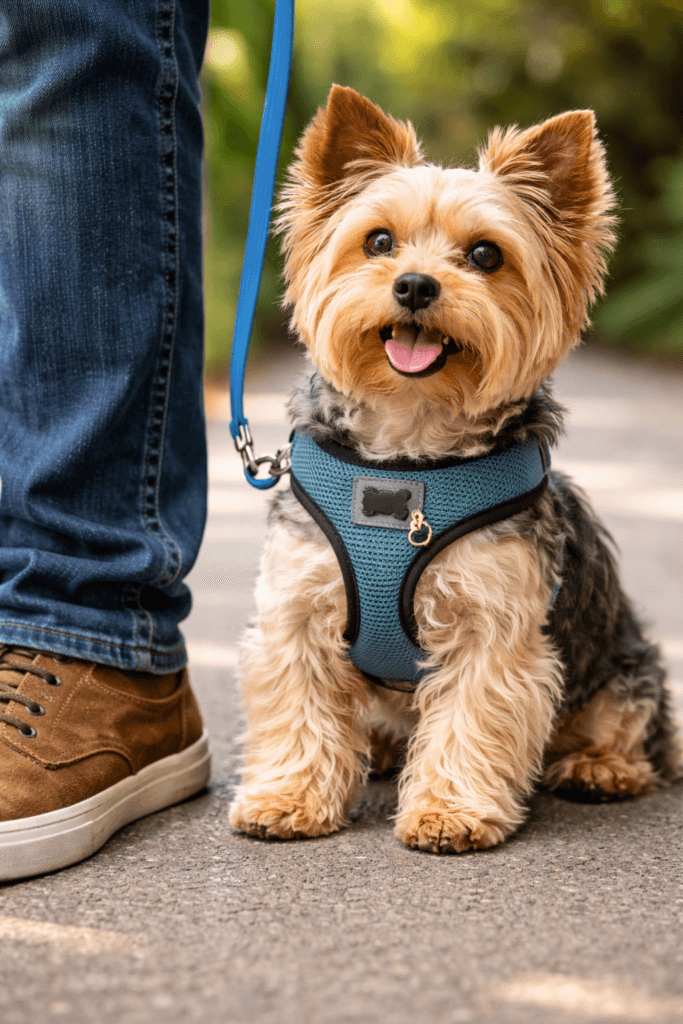
Caring for a Yorkie involves various considerations, not only in terms of grooming but also regarding their overall health and environment. Fundamentally, dietary needs should be met with high-quality food specifically formulated for small breeds, ensuring they receive the essential nutrients required for their growth and energy. Regular exercise is equally crucial; engaging in daily playtime and short walks can help manage their energy levels and maintain their physical health.
Moreover, Yorkies can be prone to specific health conditions, including dental disease, patellar luxation, and certain eye conditions. Therefore, regular veterinary check-ups are essential for early detection and management of potential issues. Additionally, it is important for owners to secure their living environment against dangers that could harm these small dogs, such as toxic plants or harmful household items.
When it comes to grooming, regular brushing is necessary to prevent matting. Bathing should be conducted periodically to keep their coat clean without stripping natural oils. It is also recommended to schedule professional grooming sessions, especially if owners are not equipped or confident to manage their Yorkie’s grooming needs.
Understanding these aspects of Yorkie care prepares pet owners for the specific challenges and rewards that accompany this breed, setting the stage for important discussions regarding their safety and comfort, particularly in relation to the use of collars.
The Anatomy of a Yorkie
The Yorkshire Terrier, commonly known as the Yorkie, is a small breed characterized by its compact size and distinctive long, silky fur. These dogs typically weigh between 4 to 7 pounds and stand about 7 to 8 inches tall at the shoulder. One of the most notable features of the Yorkie is its delicate neck, which is a crucial area in understanding potential health risks associated with traditional collars.
One antithesis in the anatomy of Yorkies is their improperly proportioned necks relative to their sturdy bodies. Their cervical structure is relatively fragile compared to that of larger breeds. This fragility becomes apparent when considering the impact that a standard collar can have when force is applied, whether from pulling on a leash or from the natural movements of the dog. Due to the Yorkie’s petite size, any undue pressure on the neck can lead to injuries such as tracheal collapse, cervical spine issues, or even severe bruising.
Moreover, the lightweight nature of Yorkies puts them at a disadvantage when it comes to basic collar safety. Unlike larger breeds that can withstand some degree of pressure without immediate adverse effects, Yorkies may be more susceptible to injury in situations where they unexpectedly pull or dart forward during walks or play. The absence of a solid anatomical support structure necessitates a careful examination of any accessories used, such as collars.
It is essential for Yorkie owners to recognize that while collars may be convenient for identification purposes, they might not be the safest option for these delicate dogs. In light of their anatomy, many owners are encouraged to explore alternative options such as harnesses, which distribute pressure more evenly across the torso and reduce strain on the fragile neck. Understanding the unique anatomy of Yorkies is vital in making informed decisions regarding their comfort and safety.
Common Issues Caused by Collars
While collars can be a convenient method for holding identification and attaching leashes, they pose significant risks to the health and safety of Yorkies. These small dogs have delicate tracheas that are particularly susceptible to injury from standard collars. When a Yorkie pulls on the leash or tugs in excitement, the pressure on their throat can lead to tracheal collapse, a painful and potentially life-threatening condition. This issue is especially pronounced in this breed due to their small size and anatomy.
Another major concern is the choking hazard that collars present. A Yorkie, in its playful nature, may become overly excited and dart around, increasing the risk of the collar becoming entangled or caught on objects, which can lead to choking. This risk is exacerbated if the collar is not properly fitted. Conversely, a collar that is too loose could also slip off, making the dog vulnerable to escape or getting lost.
Additionally, prolonged use of collars can cause skin irritations. The constant friction between the collar and a Yorkie’s sensitive skin can lead to rashes, irritation, or even infections. Such skin problems are often exacerbated by moisture from rain or sweat, resulting in further discomfort. Experts recommend that Yorkie owners closely monitor their pets for any signs of skin irritation, which can often go unnoticed until significant damage occurs.
Overall, the health risks associated with collars for Yorkies are considerable and warrant careful consideration. Owners should remain informed about these potential issues and explore alternative solutions, such as harnesses, which can provide greater safety and comfort for their pets.
Alternatives to Collars for Yorkies
Yorkshire Terriers, or Yorkies, are known for their delicate anatomy and unique behavioral traits, which can make traditional collars less than ideal for them. Instead, many pet owners are exploring safer alternatives to collars, particularly harnesses, which provide several benefits tailored specifically to the needs of Yorkies.
One popular alternative is the harness. Harnesses distribute pressure more evenly across a dog’s body, particularly around the chest and back, rather than the neck, which can help prevent injuries that are common with collars. This is particularly important for Yorkies, as their tracheas can be fragile. A well-fitted harness reduces the risk of tracheal collapse, a concern for many small breeds, as it minimizes strain during walks.
Moreover, certain types of harnesses, such as step-in harnesses or vest-style harnesses, can provide added security and comfort. Step-in harnesses are designed so that the dog simply steps into the harness and it buckles snugly without much manipulation, making it easier for busy owners. Vest-style harnesses are padded and can give added comfort to Yorkies, particularly in cool weather as they provide extra warmth and protection.
Additionally, head halters can serve as another alternative. These devices fit around the muzzle and attach to a leash, offering gentle steering without putting pressure on the neck. This can be particularly useful for Yorkies that may pull on their leashes, as head halters allow for better control and can modify their behavior during walks.
Overall, exploring these alternatives to collars can promote safety and comfort for Yorkies. Opting for harnesses or head halters can not only accommodate their anatomical vulnerabilities but also enhance the enjoyment of walks, reinforcing a positive experience with their owners.
Training a Yorkie Without a Collar
Training a Yorkie without a collar can be both a rewarding and effective approach, enhancing the bond between the dog and its owner. As a small breed with a fragile neck structure, Yorkies can benefit from training methods that prioritize their safety and comfort. One of the most effective strategies is to utilize positive reinforcement techniques.
Positive reinforcement involves rewarding desired behaviors with treats, praise, or play. For instance, when your Yorkie follows a command such as ‘sit’ or ‘stay,’ offering a small treat or affectionate words can encourage them to repeat the behavior. This method not only makes training enjoyable for your dog, but it fosters a sense of trust, which is essential in training without a collar.
Additionally, using a harness can be an excellent alternative to a traditional collar. Harnesses distribute pressure more evenly across the body, reducing the risk of injury or discomfort during walks and training sessions. When introducing a harness, ensure that it fits properly and is comfortable for your Yorkie. Gradually acclimatize your dog to wearing the harness by allowing them to wear it for short periods while engaging in positive activities, such as playing or receiving treats.
Age-appropriate training tools, such as clickers, can also enhance the training experience. A clicker allows owners to signal to the dog that they have performed the correct behavior, followed by an immediate reward. This clear communication can accelerate the learning process.
Moreover, consistency is key in any training regimen. Establish a routine and use the same commands for specific actions, ensuring that your Yorkie learns what to expect. Regular training sessions, combined with sufficient socialization, will lead to a well-behaved pet capable of navigating their environment safely.
Behavioral Considerations
Understanding the behavioral aspects of Yorkies is vital when considering whether to use collars. Many dog owners assume that collars are a necessary accessory for their pets, yet a collar-free approach can substantially benefit a Yorkie’s emotional and mental well-being. Yorkies are known for their lively nature and social tendencies, and providing them the freedom to express their behavior without the constraints of a collar can lead to more positive behaviors.
First and foremost, collars can sometimes restrict a dog’s movements, especially in small breeds such as Yorkies, who are prone to tracheal collapse. Eliminating the collar allows for freer movement during playtime, encouraging activities that promote physical health and reducing anxiety about potential pinching or choking sensations. It’s important to create an environment that fosters this freedom, such as establishing designated play areas where safety is ensured.
Furthermore, a collar-free lifestyle can help bolster a Yorkie’s confidence. Many small dogs experience fearfulness or anxiety due to environmental pressures, and the absence of a collar can help them feel less constrained. Encouraging natural exploration and social interaction can significantly improve their disposition. Incorporating engaging toys, safe spaces, and companions can also facilitate positive behavior through play and stimulation.
To create a safe and comfortable atmosphere for a collar-free Yorkie, it is essential to focus on their surroundings. Ensure that the living area is free from hazards and provides stimulation through toys, and consider using a secure harness for walks instead of a collar. In addition, establishing a consistent routine and training without the collar can reinforce desired behaviors without the discomfort associated with traditional collars.
Consulting with a Veterinarian
When considering the use of collars for Yorkies, it is imperative to consult a veterinarian for tailored advice that meets the specific needs of your dog. Veterinarians possess a wealth of knowledge about canine health and behavior, rendering them indispensable in making informed decisions regarding the well-being of pets. They can offer insights into the physical characteristics of Yorkies, such as their delicate neck structure, which may predispose them to injuries if inappropriate collars are used.
During a consultation, a veterinarian will first assess the individual characteristics of your Yorkie, including age, size, and any pre-existing health conditions. This assessment is crucial as it helps the vet determine whether a collar is suitable or if alternative options, such as harnesses, are preferable. Furthermore, veterinarians can provide guidance on the type of collar that may be less harmful, should you choose to use one. For example, they can recommend soft or padded collars that reduce pressure on the neck, thereby minimizing the risk of injury.
Additionally, a veterinarian can discuss appropriate usage of collars, highlighting the importance of monitoring your Yorkie’s comfort level. A collar that fits well, without being overly tight or loose, is essential to prevent choking or discomfort. Because every dog is unique, your veterinarian can also address any behavioral concerns linked to collar usage, offering tailored tips to help your Yorkie adjust to or safely wear a collar.
In summary, consulting with a veterinarian not only supports your decision-making process regarding collars for Yorkies but ensures that your pet’s health and safety remain the top priority.
Owner Testimonials
Many Yorkie owners have taken to sharing their experiences regarding the use of collars versus harnesses for their beloved pets. One such owner, Sarah, recounted her experience after switching from a collar to a harness. She noted that her Yorkie, Bella, had previously experienced coughing fits after walks, which she later discovered was a result of the pressure applied by the collar on Bella’s trachea. After transitioning to a snug-fitting harness, Sarah remarked that Bella seemed much more comfortable and exhibited no symptoms of discomfort.
Another owner, Mike, shared a contrasting viewpoint. Initially, he was a staunch advocate for collars, believing they were easier to manage for quick leash attachment. However, after his Yorkie, Max, unexpectedly bolted during a walk and slipped out of his collar, Mike had to reconsider the safety implications of collars. This incident prompted him to explore harnesses for better control during walks, emphasizing that safety and security should always come first when it comes to small breeds like Yorkies.
A third perspective came from Jane, who uses both collars and harnesses depending on the situation. While she appreciates the convenience of a collar for brief, controlled environments like trips to the vet, she prefers a correctly fitted harness for daily walks. Jane pointed out that harnesses distribute weight more evenly across the body, which is particularly beneficial for tiny breeds prone to injury.
Each owner’s testimony highlights the nuanced views regarding collars and harnesses, emphasizing the importance of individual circumstances and the unique characteristics of the Yorkshire Terrier. These shared experiences encourage others to consider alternatives to collars and to choose the best options for the comfort and safety of their pets.
Conclusion: Making the Best Choice for Your Yorkie
When it comes to selecting the appropriate gear for your Yorkshire Terrier, it is vital to weigh the benefits and drawbacks of using collars. While collars can be convenient for identification and leash attachment, they may pose several health and safety risks for Yorkies, which are a breed prone to neck and spine issues. The delicate nature of their bodies requires that owners consider alternative options such as harnesses that distribute pressure more evenly across the dog’s body.
Firstly, one of the main concerns is the potential for injury. Yorkies, with their small frames, can easily sustain injuries from standard collars, especially if they tend to pull on the leash or if they are involved in a sudden chase after a distraction. Using a harness can significantly minimize this risk by providing a safer experience during walks and outings.
Secondly, understanding the psychological effects is equally important. Collars can restrict a dog’s ability to move freely while exploring their environment, potentially stifling their natural curiosity. A well-fitted harness allows for greater freedom and comfort, encouraging your Yorkie to be more adventurous and at ease.
Moreover, when considering the long-term health and comfort of your Yorkie, it is essential to think about their specific needs and any pre-existing health conditions. Consulting with a veterinarian can provide valuable insights into whether a collar is appropriate or if other alternatives should be explored.
Ultimately, the decision concerning collars should prioritize your Yorkie’s overall well-being. By being informed and attentive to their unique needs, owners can make more educated choices that enhance their Yorkshire Terrier’s quality of life.