Introduction to Yorkshire Terriers
The Yorkshire Terrier, commonly referred to as the Yorkie, is a small yet vibrant breed of dog that has captured the hearts of many pet owners around the world. As a companion animal, they are well-known for their lively personality and affectionate nature, which contribute to their popularity. Weighing in at approximately 4 to 7 pounds and standing about 7 to 8 inches tall, Yorkshire Terriers are one of the smallest dog breeds. This petite size, coupled with their luxurious, silky coat, makes them an appealing choice for those seeking a small yet charming pet.
Yorkshire Terriers are characterized by their playful demeanor and high energy levels. They are known for being intelligent and eager to please, which facilitates their training. While they are often perceived as little lap dogs, their confident and spirited temperament allows them to thrive in more active roles as well. Yorkies tend to form strong bonds with their owners and are known to be quite loyal, often displaying protective behavior towards those they love.
The breed also displays distinct grooming requirements due to its long, flowing hair that requires regular brushing to prevent matting and tangles. Their grooming rituals are not only essential for their physical health but also for maintaining the breed’s signature appearance. In summary, Yorkshire Terriers are not just seasoned companions; their delightful mix of personality traits and distinct aesthetics offers a unique charm that enhances their desirability as household pets.
The Origins of the Breed in the UK
The Yorkshire Terrier, commonly known as the Yorkie, originated in the 19th century in the northern regions of England, particularly Yorkshire. Bred primarily for the dual purpose of acting as a ratter and as a companion, these small yet spirited dogs played an essential role in the textile industry, which was burgeoning during that era. textile mills in Yorkshire faced significant challenges with rats and other vermin; thus, efficiency and productivity were often compromised due to these intruders. In this context, Yorkies emerged as adept hunters, capable of catching and controlling the rodent population.
The breed’s lineage is quite fascinating; it is believed that the Yorkshire Terrier was developed by crossing various terrier breeds, including the Waterside Terrier, the Manchester Terrier, and the Skye Terrier. These ancestral connections were significant, as each breed contributed its unique traits to the Yorkshire Terrier. The result was a dog that not only possessed remarkable hunting capabilities but also had a charming personality, making them highly desirable companion animals. Size-wise, the Yorkie is characterized by its small stature, typically weighing around four to seven pounds, which was beneficial for maneuvering in tight spaces within the mills.
As the industrial revolution progressed, the role of the Yorkshire Terrier began to shift. While they initially served a practical purpose as ratters, their endearing characteristics and appealing appearance started attracting attention as companion animals. By the late 19th century, Yorkshire Terriers gained popularity among the upper classes, further cementing their status as beloved pets. This transition marked a significant turning point in the breed’s history, leading to the refined standard we recognize today.
The Role of Yorkshire Terriers in Victorian Society
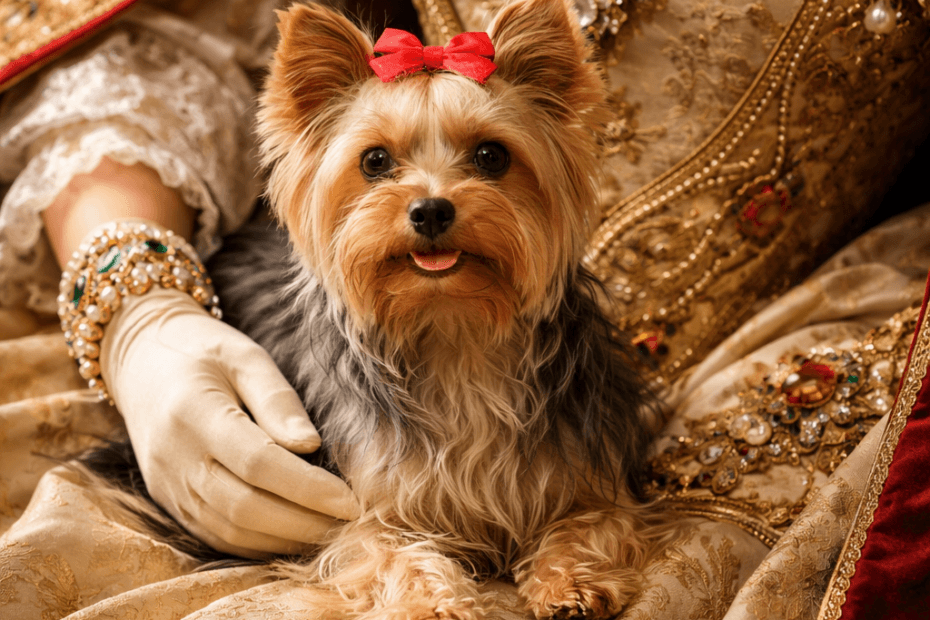
During the Victorian era, which spanned from 1837 to 1901, Yorkshire Terriers became increasingly popular among the upper classes, identifying them as quintessential companion animals. This small breed, with its distinctive long, silky fur and lively disposition, quickly captured the hearts of society’s elite. Wealthy individuals and families were particularly attracted to these adorable dogs not just for companionship, but also for their ability to reflect social status.
As a result, Yorkshire Terriers emerged as symbols of affluence and refinement. They were often seen accompanying fashionable ladies on promenades or attending lavish social events, which further solidified their glamorous reputation in society. The breed’s popularity was not merely a fleeting trend; it was underpinned by an evolving cultural context that valued aesthetic appeal and companionship in pets. This period marked a crucial turning point, as more people began to view dogs as integral members of the family, rather than mere working animals.
The Victorian era also saw the introduction of strict breeding standards, which significantly shaped the Yorkshire Terrier’s characteristics and appearance. Breeders began to prioritize size, coat quality, and temperament, refining the breed to enhance its desirable traits. This focus on breeding not only elevated the Yorkie’s status but also led to increased competition among breeders, resulting in the establishment of breed clubs and dog shows. The breed’s transformation during this period contributed to its enduring popularity, as families sought to own dogs that conformed to the idealized standards set by these clubs.
Overall, the role of Yorkshire Terriers in Victorian society extended far beyond simple companionship; it was intricately linked to class, fashion, and evolving perceptions of pets. As they began to occupy a prominent position in British society, Yorkshire Terriers set the stage for their future popularity, both in the UK and beyond.
Immigration and the Spread to America
The migration of Yorkshire Terriers from the United Kingdom to the United States represents a significant chapter in the breed’s development. During the late 19th and early 20th centuries, British immigrants began arriving in America in search of better opportunities and living conditions. Many of these immigrants brought their beloved pets with them, including the small yet spirited Yorkshire Terrier.
The breed thrived due to its adaptability and charming personality, qualities that endeared it to American families. Yorkshire Terriers were well-suited for urban environments, where space was limited, making them perfect companions for those living in apartments and metropolitan areas. As the United States underwent rapid industrialization, the social landscape shifted, and Yorkshire Terriers found their place in the hearts and homes of many Americans.
The demand for Yorkshire Terriers increased, leading to a rise in breeding practices in the U.S. Breeders recognized the dog’s appeal not only as a companion animal but also as a show dog. This newfound popularity in America facilitated the dog’s integration into mainstream culture, and it began to feature prominently in dog shows and exhibitions, gaining recognition and acclaim. Over time, the breed’s reputation grew, and Yorkshire Terriers became synonymous with luxury and elegance, often portrayed as fashionable accessories alongside their owners.
Cultural factors also played a role in the evolution of Yorkshire Terriers in America. As the breed garnered attention in films, television, and literature, interest surged, encouraging more people to adopt Yorkshire Terriers as pets. This influx of canine companions contributed to their establishment as one of the favored toy breeds in the country, making the Yorkshire Terrier a quintessential part of American pet culture.
The Transformation of Yorkshire Terriers in America
The arrival of the Yorkshire Terrier in America marked a significant turning point in the breed’s history. Originally bred in the 19th century in England for catching rats in textile mills, this small yet spirited dog underwent substantial transformation once it reached the United States. The breeding practices in America evolved as dog lovers began to appreciate the Yorkshire Terrier not merely as a working dog but also as a companion pet, influencing its size and temperament.
One of the most notable changes was in the breed’s size. American breeders tended to favor a smaller, more compact Yorkshire Terrier, leading to a size discrepancy between American and European lines. The trend towards miniaturization was fueled by the demand for a lap dog in urban settings, where smaller breeds were easier to accommodate in homes and apartments. This shift in size also coincided with a change in the breed’s personality; as these dogs were often kept as companions, breeders selected for traits such as sociability and playfulness, diverging from their working-class roots.
Furthermore, the adoption of Yorkshire Terriers in America coincided with changes in lifestyle that required adaptability. The breed’s ability to thrive in various environments—from bustling city living to rural landscapes—made it a versatile choice for many households. Cultural shifts also influenced how these dogs were viewed; as dog ownership became more about companionship rather than utility, Yorkshire Terriers began to embody the fashionable canine companion ideal. This shift was accentuated by their appearances in popular media, solidifying their status as a symbol of luxury and charm.
Overall, the evolution of Yorkshire Terriers in America reflected broader societal changes and a desire for a pet that provided both affection and companionship. Although their origins were rooted in the UK, the Yorkshire Terrier’s transformation in America contributed richly to the breed’s legacy and popularity.
Rise to Popularity in Texas
The Yorkshire Terrier, often referred to as the Yorkie, has found a special place in the hearts of many Texans, becoming one of the most beloved companion breeds in the state. The rise of the Yorkshire Terrier’s popularity in Texas can be attributed to several cultural influences and lifestyle changes that resonated with the Texan populace.
In the late 20th century, as urban areas in Texas began to expand rapidly, particularly cities like Houston, Dallas, and Austin, a shift in lifestyle occurred. Many residents began embracing city living, which often included an increasing number of people opting for smaller living spaces such as apartments and condominiums. The compact size of the Yorkshire Terrier made it an ideal pet for individuals and families in these urban settings. Additionally, the breed’s low-shedding coat appealed to those concerned about allergies and cleanliness in their homes.
Furthermore, the Yorkie’s vibrant personality and affectionate demeanor contribute significantly to its appeal. Texans, known for their hospitality and love for companionship, easily gravitate toward a breed that embodies these characteristics. As social media emerged as a popular platform for pet lovers, the Yorkshire Terrier gained visibility through various channels, showcasing its charm and adaptability. Events such as dog shows and breed meet-ups in Texas also played a crucial role in raising awareness and enthusiasm surrounding Yorkshire Terriers.
Moreover, notable public figures and celebrities owning Yorkshire Terriers have positively influenced the breed’s popularity. For instance, these pets have often appeared alongside well-known personalities during media coverage of events in Texas, further establishing their status as fashionable companions. As a result, the Yorkshire Terrier has solidified its position as a treasured family pet within the state, with numerous breed clubs and community events celebrating this captivating breed.
Health Considerations for Yorkshire Terriers Today
Yorkshire Terriers, beloved for their spirited nature and small stature, face a unique set of health challenges that owners should be aware of. Despite their robust character, they are prone to specific genetic conditions and illnesses that can impact their quality of life. Common health issues include dental problems, luxating patella, and certain eye disorders such as progressive retinal atrophy (PRA). Additionally, Yorkshire Terriers tend to have a predisposition to liver shunts and bronchitis, which can lead to severe complications if not managed properly.
Preventative care is paramount in maintaining the health of Yorkshire Terriers. Regular veterinary check-ups can help in the early detection of potential health issues. Maintaining a well-balanced diet and appropriate weight is critical, as obesity can exacerbate various health problems. Owners are encouraged to schedule dental cleanings given that dental disease is prevalent in small breeds, including Yorkshire Terriers. Guidelines suggest annual cleanings and daily tooth brushing at home to promote long-term dental health.
Moreover, responsible breeding practices play a vital role in the overall health of Yorkshire Terriers. Potential owners should seek puppies from reputable breeders who conduct health screenings and genetic testing. These breeders prioritize the health of their breeding stock and are committed to producing puppies that are less likely to inherit certain health issues. It is essential for prospective pet owners to inquire about the health history of the dog’s parents to mitigate the risk of inherited diseases.
In conclusion, while Yorkshire Terriers are generally healthy, they are susceptible to specific health challenges that require attentive care. With proactive health measures, including regular vet visits, proper nutrition, and responsible breeding practices, owners can support the health and longevity of their cherished Yorkshire Terriers.
Yorkshire Terriers in Modern Culture
Yorkshire Terriers have become cultural icons in contemporary society, recognized for their distinctive appearance and charming personalities. These small dogs are prominently featured in various forms of media, including films, television shows, and literature, where they are often portrayed as fashionable companions, aligning closely with luxury lifestyles.
In cinema, Yorkshire Terriers have made memorable appearances, enhancing the glamorous image of their owners. Films such as “Legally Blonde,” where the character’s Yorkshire Terrier accompanies her throughout her journey, showcase the breed as a symbol of wealth and sophistication. Additionally, these dogs often portray loyalty and companionship, allowing them to resonate with audiences in heartfelt narratives.
Literature, too, has embraced the Yorkshire Terrier, with numerous novels and children’s books depicting these dogs as beloved pets and central characters. In stories, their feisty yet affectionate nature captures the readers’ hearts, further solidifying their role as ideal companions. As a testament to their popularity, Yorkshire Terriers frequently appear in lifestyle magazines, where they are themed around luxury pet ownership, emphasizing their status as a coveted accessory rather than merely a pet.
The rise of social media has significantly contributed to the Yorkshire Terrier’s cultural prominence. Pet influencers, comprising mostly Yorkshire Terriers, have garnered substantial followings on platforms like Instagram and TikTok. Their adorable antics and lavish lifestyles attract attention, and these dogs are often seen donning exquisite outfits and participating in high-end events, reinforcing their trendy image.
Overall, the representation of Yorkshire Terriers in modern culture highlights their evolution from working-class dogs to symbols of status and style. Their portrayal as fashionable, luxurious pets reinforces the growing trend of investing in quality pet care and lifestyle, positioning them as essential elements of contemporary pet ownership.
Conclusion: The Legacy of Yorkshire Terriers
The Yorkshireshire Terrier, often referred to as the Yorkie, has a rich and fascinating history that predates its status as a beloved household pet. Originating in the 19th century in Yorkshire, England, these small dogs were bred primarily for catching rats in textile mills and mines. Their tenacity, intelligence, and agility quickly caught the attention of dog enthusiasts, leading to their rise in popularity as companions and show dogs.
As these endearing little animals made their way across the Atlantic to the United States, especially in regions like Texas, their charm and vivacity endeared them to many. Over time, Yorkshire Terriers evolved into affectionate pets, known for their distinct appearance and bold personalities. They have become one of the most recognizable toy breeds in America, captivating the hearts of dog owners with their playful nature and unwavering loyalty.
Looking towards the future, the Yorkshire Terrier’s legacy appears to be firmly entrenched. Their popularity shows no signs of waning, as they continue to excel in various canine activities, including obedience and agility trials. The breed’s resilience and adaptability allow them to thrive in different environments, from compact urban apartments to spacious homes in rural areas. This adaptability is a testament to their enduring appeal.
Moreover, with advances in veterinary care and breed-specific training programs, Yorkshire Terriers are likely to benefit from increased longevity and improved quality of life. Their petite size and adaptable nature make them ideal companions for a wide demographic, from young families to elderly individuals, ensuring that their legacy will continue into the future. Thus, from their humble beginnings to their status as cherished pets today, Yorkshire Terriers will undoubtedly remain a treasured breed for generations to come.